

Combined book offer: Textiles in Context & The Typical Tudor
Combined book offer: Textiles in Context & The Typical Tudor
Couldn't load pickup availability
Enjoy an exclusive saving when you buy these two books together. The combination listing for Textiles in Context and The Typical Tudor offers a 30% discount on buying them separately.
Both books are also available to buy individually. Please click the links above for more details.
Book 1:
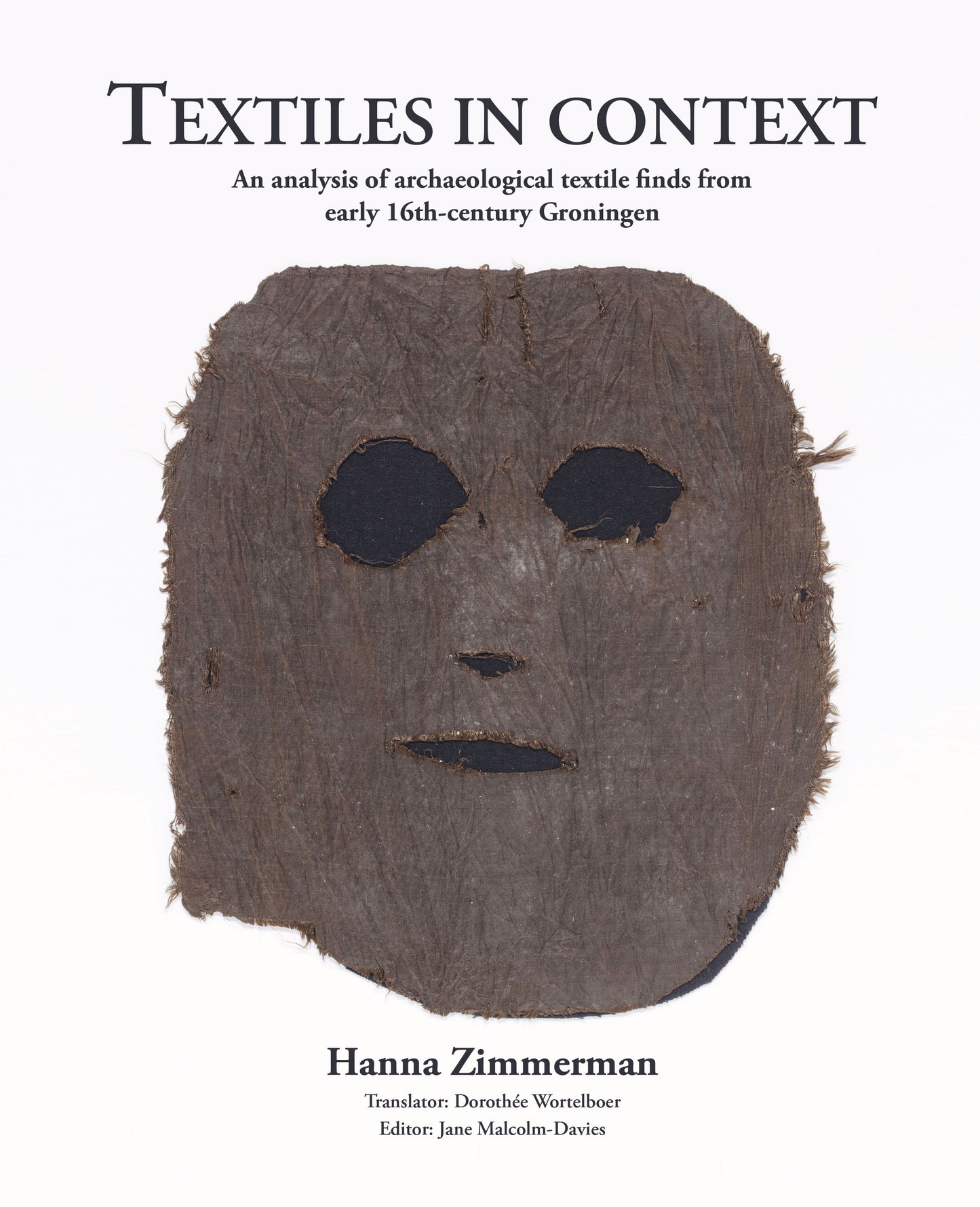
Textiles in Context
Original Dutch text written by Hanna Zimmerman, translated by Dorothée Wortelboer, edited by Jane Malcolm-Davies
Book details:
• 176 full-colour pages
• Illustrated throughout with more than 280 photographs, diagrams and historic images
• Eight appendices
• Paperback
• 9in x 11in (20.5cm x 28cm)
Hundreds of textile fragments, and numerous partial garments and hats, were recovered from a section of moat in Groningen in the Netherlands that was constructed in 1575 and then used as a rubbish dump by the townspeople for 20 years before it was filled in.
The discarded 16th century textiles excavated in 1976-1977, 1984, 1995-1996 and 2000 included parts of doublets and bodices, stockings and hose, gloves and mittens, caps and hats, plus examples of trimmings and other embellishments. These finds shed light on historical clothing and the people who wore, made and mended them more than 400 years ago. Key discoveries among the finds are an unprecedented number of hose fragments and knitted items from the 16th century which provide a wealth of detail about their materials and construction.
This translation into English offers a new window on the waste from the city's old moat. It benefits from more high-quality photographs of the finds than the original book, including several never before published images. It also features other publications Hanna wrote about the finds for academic journals and conference proceedings.
This book is an excellent research tool for reenactors and other 16th century enthusiasts.
Book 2:
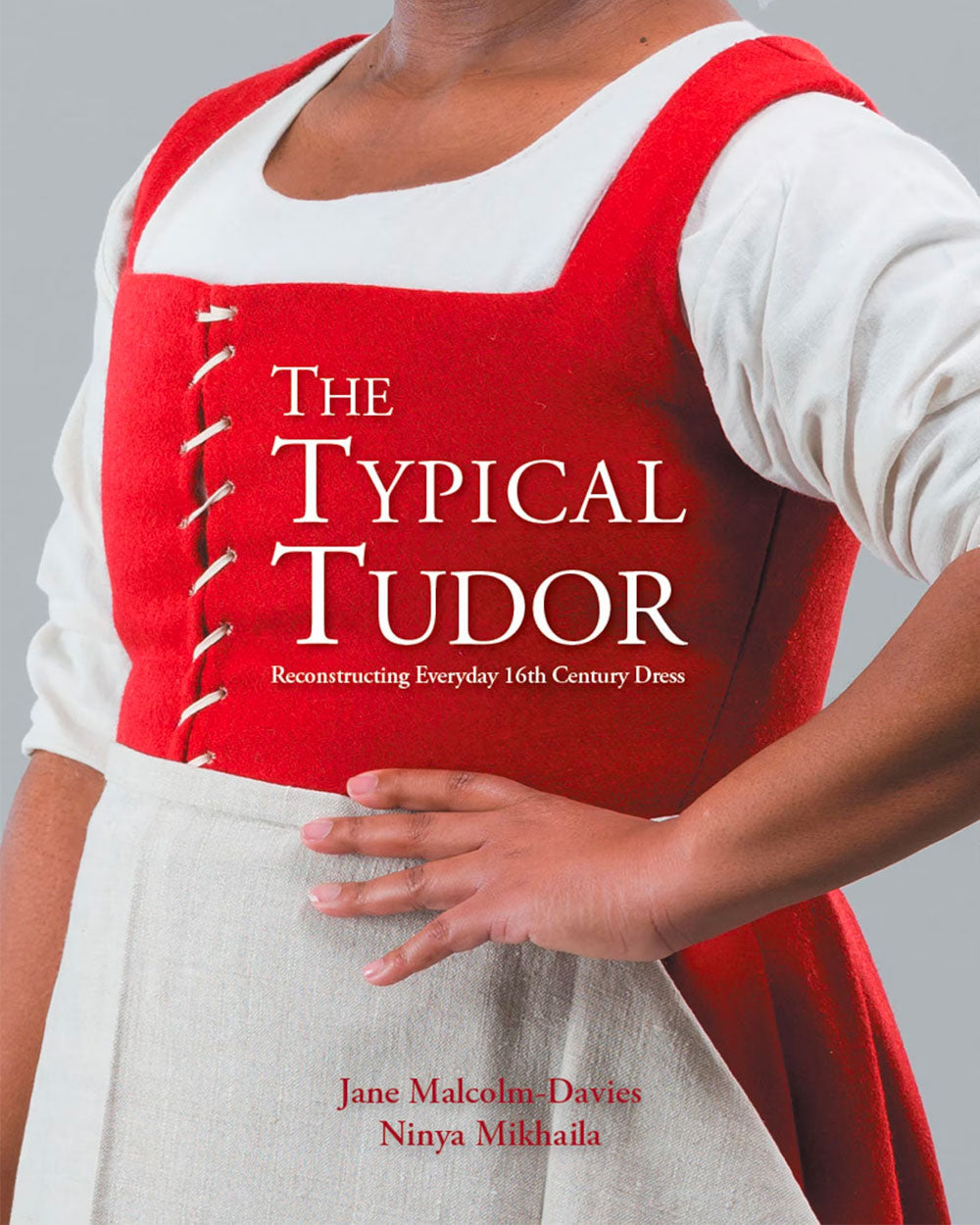
The Typical Tudor by Jane Malcolm-Davies and Ninya Mikhaila
• 216 full-colour pages
• Patterns for over 50 garments for men and women with comprehensive step-by-step instructions
• Over 140 historical illustrations
• Instructions for knitted items, including stockings, caps, sleeves and garters
• Detailed line drawings and diagrams by Michael Perry
• Photographs showing finished reconstructed garments worn by real people
• Paperback
• 9in x 11in (20.5cm x 28cm)
The Tudor Tailor’s latest book builds on the research carried out for The Tudor Tailor (2006) with a focus on ordinary people's clothing in the 16th century. At 216 pages it is significantly larger than previous works and includes sewing and knitting patterns for more than 50 garments appropriate for lower-class and middle-class people.
The book presents a thorough survey of evidence for the dress of common people by diligently cross-referencing pictorial, archaeological and documentary sources.
A statistically rigorous analysis of over 57,000 items of dress drawn from wills, inventories, probate accounts and household expenses identifies the most popular garments with trends in textiles and colours and interprets them in the context of the acts of apparel and royal proclamations on clothes as they applied to those below knights in Tudor society.
Little-known images from museums, churches, private collections and archives serve to illustrate a range of garments in detail while more familiar pictorial sources are presented as evidence for construction techniques.
Detailed drawings and diagrams show styles of clothing, headwear and other accessories appropriate to ordinary people. Photographs of reconstructions illustrate how the garments contribute to accurate clothing ensembles for specific date ranges.
Historians and archaeologists, designers and costumiers, educators and reenactors will find The Typical Tudor a robust and essential guide for a range of reconstruction projects from scholarly studies to festival events.
Share